Holly Piccolli and the hidden magic in opera’s orchestra pit.
- Behind the Scenes
- Meet the Artists
- Musician Spotlight
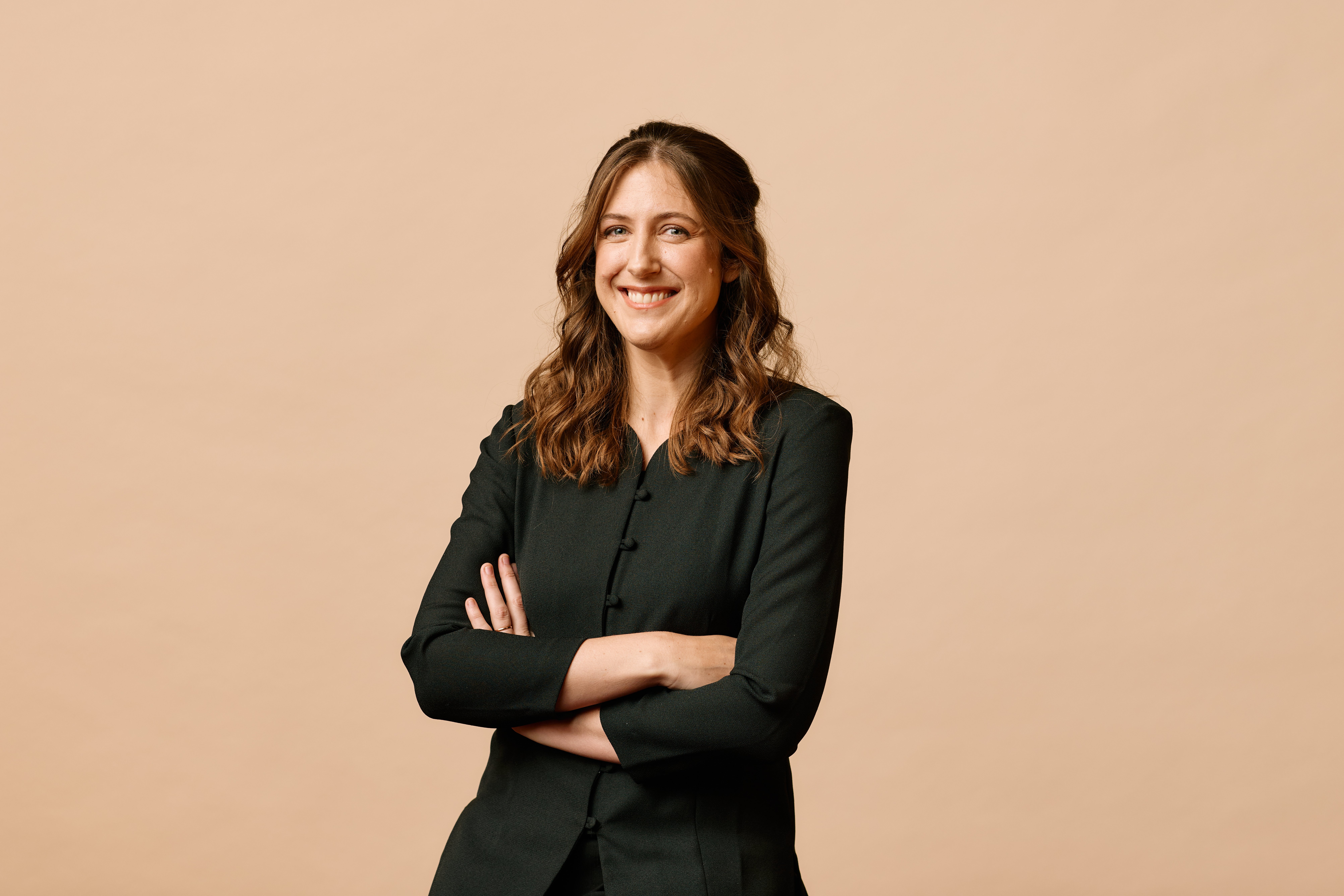
Holly Piccoli, the ASO’s Principal 1st Violin, will be fulfilling an unseen but crucial role in this month’s State Opera South Australia performances of Rossini’s La Cenerentola.
While singers, costumes, sets and props weave their magic onstage, the ASO will bring their own magic to the orchestra pit, with Holly as Concertmaster. We spoke with her about this vital job, and how she helps to shape the music.
Does the Concertmaster role change when you’re in the pit for an opera? What makes it different from being on stage for a symphony?
It does change, but not fundamentally, the same leadership goals apply – listening to your section and across the orchestra to gauge ensemble, balance, intonation, and to identify issues quickly to help create solutions. With the addition of singers performing above the pit, most of whom we can’t actually see, it becomes extremely important to know the singer’s music very well and to anticipate what they need, as it can change from night to night.
The conductor will help greatly having worked with the singers extensively before we arrive. It’s dark in the pit, we use stand lights to see our music and because of this, body language and gesture need to be even bigger, clearer and more confident, most colleagues are a long way away and if they’re watching for direction they need definitive body language to feel confident joining in. This is especially true if the opera includes moments like recitative. ‘Recit’ is common in baroque, classical and early romantic opera, it accompanies more conversational singing to arias (and often helps move storyline), it doesn’t necessarily have a consistent tempo, is dictated by the singer and their pacing, and the effort to be ready is collective – conductor and CM ready to gesture, and everyone else ready to play, sometimes unexpectedly different from what we have rehearsed.
Opera being narrative-based and often overtly emotional, the music replicates that and knowing where we are in the story directly helps influence how we interpret and play the music. And I shouldn’t admit this, but not being so visible to the audience, we often have a lot of fun enjoying what we do, professionally of course!
How does a live orchestra enhance the experience of going to the opera?
A live orchestra is crucial to the production of opera. What we do as musicians is bring to life the magic of the composer’s music, colouring in the story, stirring imagination, and this can’t be done by machines.
When you attend live art, it is a collective, emotional experience for everyone in the room. The virtuosity of the performers is inspirational and a celebration of what we can achieve and create as humans. When I saw Sinner and Duckworth play tennis live at the Australian Open this year, the suspense, listening to the players’ runners on the court, and hearing their breaths before a serve, it brought a whole new element to the game for me- the human effort and energy was palpable, and I think live music and dance creates the same visceral energy.
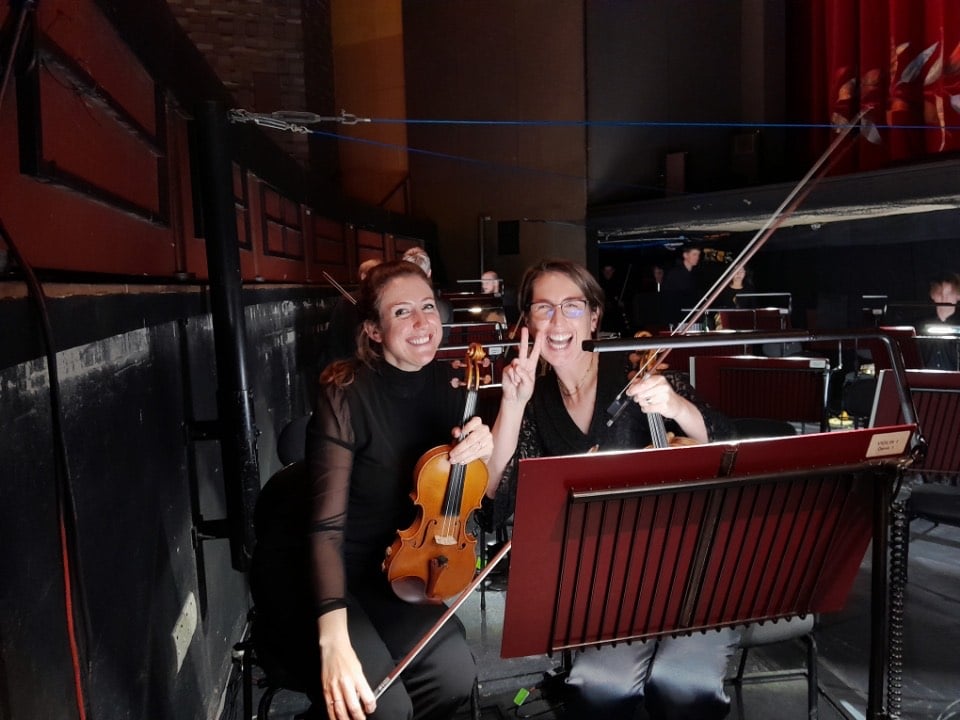
Holly with Section Principal 2nd Violin Alison Heike, in the pit for The Australian Ballet’s presentation of George Balanchine’s Jewels, 2024 at Festival Theatre.
Your husband Kyle Stegall is a singer and State Opera principal artist. Has he influenced your approach to operatic performances?
Absolutely! My love and knowledge of vocal music has developed ever since we met at uni in 2013. I admire what is involved in preparing a role, and the athleticism needed to perform in an opera. The sheer stamina required for singing and potentially running around stage, along with vocal virtuosity, character development, and memorisation of hours worth of music and staging is a tremendous feat. Speaking as a string player who doesn’t use breath to make sound, being aware of the singers’ breath requirements is imperative.
In fact breathing together is one of the best things musicians can do to be really aligned in the preparation and beginning of sound, and in transition. It’s really enforced when working in opera. Kyle’s love of the art of singing and being a spectacular singer and teacher, he has taught me directly and indirectly a lot about what it takes to be an opera singer, and the qualities to listen for in really good singing.
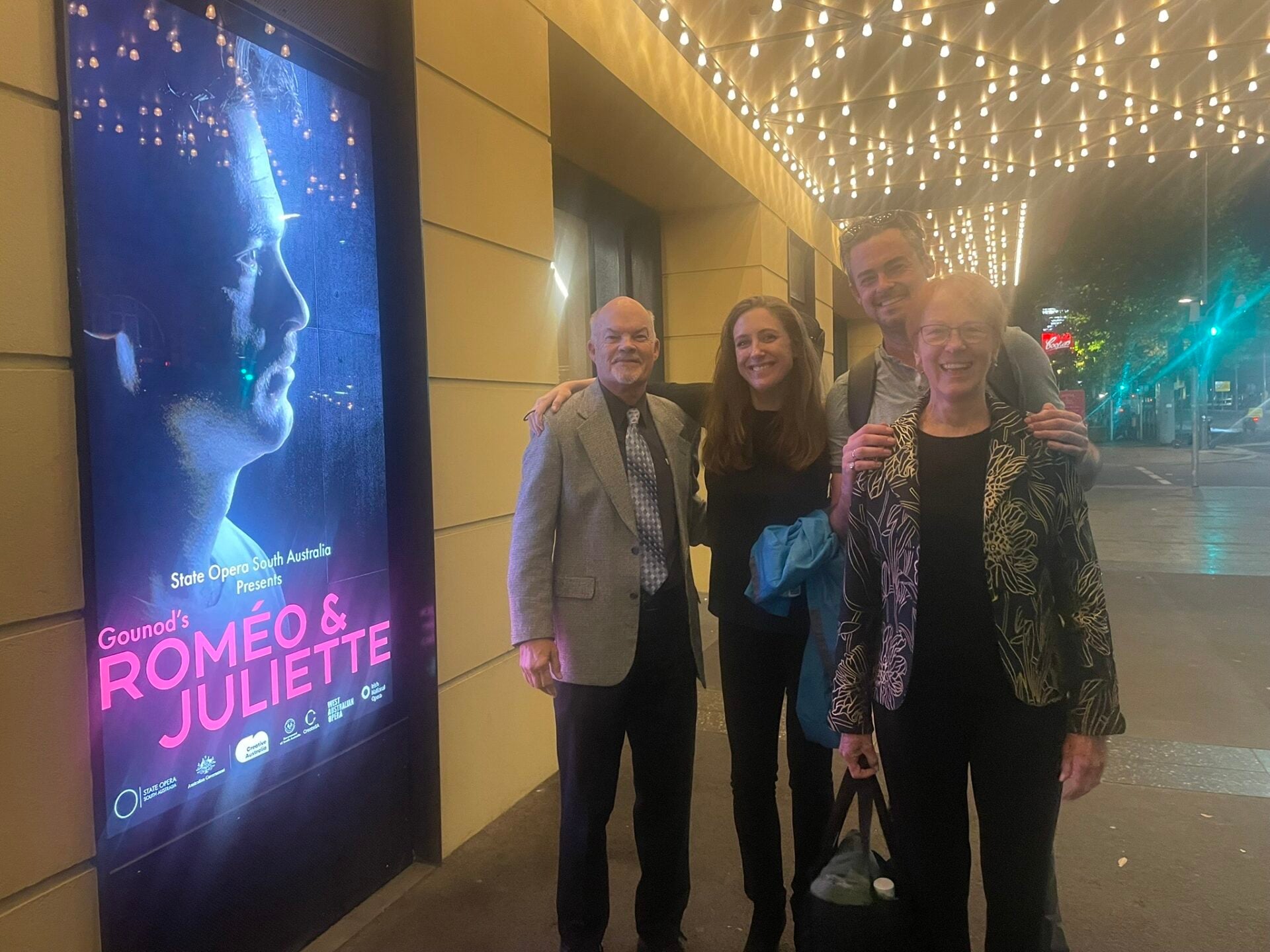
Holly with husband Kyle Stegall and his parents Dannis and Sandy Stegall, outside Her Majesty’s Theatre, 2025.
Can you share some of your favourite moments in opera with us?
Last year when Kyle was Roméo in State Opera SA’s Roméo and Juliette, I could not have been more proud of him. He was inspiring and, as always, gave everything he had to those performances. I was so excited every night to be performing with him and extra happy that I could sometimes see him from my chair in the pit.
In 2022, we were in our run of shows for La Traviata. It was an incredibly busy time as I was preparing for the audition for the job I’m in now. On a Wednesday afternoon I was celebrating that I had won the audition and was essentially walking into the pit with my new colleagues the next night. Unexpectedly our Concertmaster injured his left hand with a kitchen knife while cooking which meant that night I had to step up to performer as Concertmaster, and I really enjoyed the beautiful little CM solos at the end of the opera. It was full on but exciting and reinforced how much I love my job.
Holly is supported by Bruce Debelle AO KC via our Musical Chairs program.